
Silent Killers in Urban and Rural Nigeria: A Comprehensive Guide to Diabetes and Cholesterol Prevention and Awareness
Diabetes and high Cholesterol are preventable but often undetected conditions that pose growing health risks in Nigeria. Regular screening, healthier dietary choices, increased physical activity, weight management, and adherence to medical advice are key strategies for reducing complications and improving quality of life.
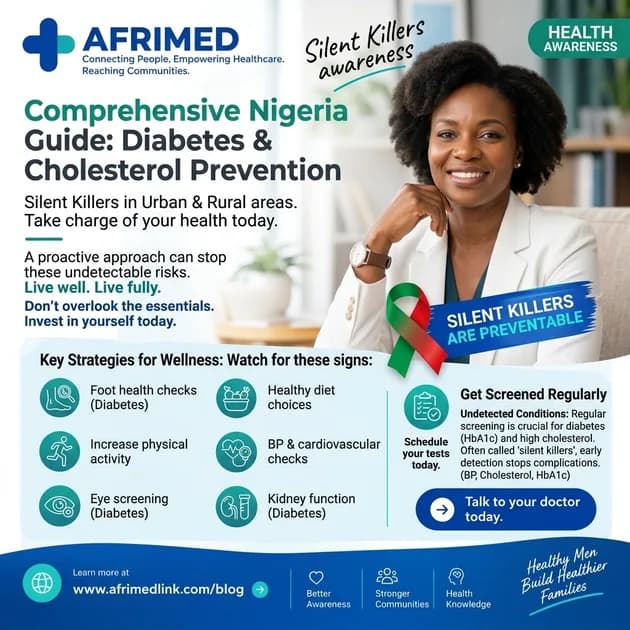
Non-communicable diseases (NCDs), particularly diabetes mellitus and dyslipidaemia (abnormal cholesterol levels), have emerged as significant public health challenges in Nigeria. Often referred to as "silent killers" because they may develop for years without noticeable symptoms, these conditions affect millions of Nigerians across different age groups and socioeconomic backgrounds. Driven by rapid urbanisation, changing dietary habits, and increasingly sedentary lifestyles, protecting metabolic health has never been more important.
Understanding the interconnected risks of high blood sugar and elevated cholesterol, alongside adopting regular health screening and sustainable lifestyle changes, is essential for improving long-term health and well-being in Nigeria.
1. The Growing Burden of Diabetes and Cholesterol in Nigeria
Type 2 diabetes and high cholesterol are closely linked metabolic disorders that significantly increase the risk of cardiovascular disease.
Type 2 Diabetes
Type 2 diabetes occurs when the body becomes resistant to insulin or is unable to produce enough insulin to regulate blood glucose effectively. Over time, persistently elevated blood sugar levels can damage blood vessels, nerves, kidneys, and eyes, leading to severe health complications.
High Cholesterol
High cholesterol occurs when there is an excess of low-density lipoprotein (LDL), commonly known as "bad" cholesterol, and triglycerides, or insufficient levels of high-density lipoprotein (HDL), often referred to as "good" cholesterol. Excess LDL cholesterol can accumulate within artery walls, forming plaques that narrow blood vessels and increase the risk of heart attacks and strokes.
In Nigeria, changing dietary patterns, including increased consumption of refined carbohydrates, sugary beverages, and deep-fried fast foods, have contributed to the rising prevalence of these conditions. Limited public awareness and inadequate access to preventive healthcare further compound the problem, with many individuals only discovering they have diabetes or high cholesterol after experiencing serious complications such as stroke, kidney disease, or heart disease.
2. Why Regular Health Checks Matter
Because diabetes and high cholesterol can develop silently over many years without obvious symptoms, routine health screening is essential.

Early Detection Saves Lives
Simple medical tests, including Fasting Blood Glucose (FBG), HbA1c, and lipid profile tests, can identify individuals at risk and enable early intervention before serious complications develop.
Monitoring Progress
Regular health checks help individuals assess whether lifestyle changes, dietary adjustments, or prescribed medications are effectively controlling blood sugar and cholesterol levels.
Preventing Long-Term Complications
Early diagnosis and treatment can significantly reduce the risk of complications such as:
- Diabetic retinopathy (vision impairment and blindness)
- Diabetic neuropathy (nerve damage)
- Chronic kidney disease
- Hypertension
- Heart attacks
- Stroke
Routine screening is particularly important for adults over the age of 40, individuals who are overweight, those with a family history of diabetes or heart disease, and people living sedentary lifestyles.
3. Effective Strategies for Preventing and Managing Diabetes and High Cholesterol
Managing and preventing these conditions requires a comprehensive approach centred on healthy nutrition, regular physical activity, weight management, and adherence to medical advice.
A. Dietary Modifications and Heart-Healthy Nigerian Foods
Managing diabetes and cholesterol does not require abandoning traditional Nigerian foods. Instead, it involves choosing nutrient-dense local foods that support healthy blood sugar levels and cardiovascular health.
High-Fibre Complex Carbohydrates
Replace polished white rice and heavily refined starchy foods with healthier alternatives such as:
- Ofada rice
- Local brown rice
- Acha (Fonio)
- Unripe plantain
These foods generally have a lower glycaemic index and may help reduce sharp increases in blood sugar levels after meals.
Plant-Based Proteins and Legumes
Legumes are excellent sources of protein and fibre. Healthy options include:
- Brown beans (Ewa)
- Bambara groundnuts
- Cowpeas
- Lentils
These foods are rich in soluble fibre, which may help reduce LDL cholesterol levels by limiting cholesterol absorption in the digestive tract.
Healthy Fats and Omega-3-Rich Foods
Include locally available oily fish in your diet, such as:
- Titus (mackerel)
- Sardines
- Herring
- Kote fish
Omega-3 fatty acids found in oily fish are associated with lower triglyceride levels and improved cardiovascular health.
Protective Vegetables
Vegetables are essential for maintaining healthy blood sugar and cholesterol levels. Beneficial options include:
- Okra (Ila)
- Bitter leaf (Ewuro)
- Garden eggs (Igba)
- Ugu (fluted pumpkin)
- Efo (green leafy vegetables)
These vegetables are rich in fibre, vitamins, minerals, and antioxidants that support overall health and aid weight management.
Natural Spices and Healthy Beverages
Incorporate natural seasonings such as:
- Garlic
- Ginger
- Turmeric
These ingredients may support overall cardiovascular health when consumed as part of a balanced diet.
Traditional beverages such as unsweetened Zobo (hibiscus tea) can also be included as healthier alternatives to sugary soft drinks. Zobo contains antioxidants that may contribute to cardiovascular health and overall wellness.
Foods to Limit
To reduce the risk of diabetes and high cholesterol, limit consumption of:
- Sugary drinks
- Excessive sweets and confectioneries
- Deep-fried foods
- Processed meats
- Excessive alcohol
- Highly refined carbohydrates
B. Regular Physical Activity
Urbanisation has significantly reduced daily physical activity for many Nigerians. Engaging in at least 30 minutes of moderate-intensity exercise on most days of the week can provide substantial health benefits.
Recommended activities include:
- Brisk walking
- Dancing
- Cycling
- Swimming
- Football
- Household chores and gardening
Regular physical activity helps the body use glucose more efficiently, improves insulin sensitivity, assists with weight management, and may increase protective HDL cholesterol levels.
C. Weight Management and Healthy Lifestyle Choices
Maintaining a healthy weight is one of the most effective ways to prevent and control diabetes and high cholesterol.
Reducing excess abdominal fat can significantly improve insulin sensitivity and lower cardiovascular risk. Even modest weight loss can produce meaningful health benefits.
Additional lifestyle recommendations include:
- Stop smoking and avoid tobacco products.
- Limit alcohol consumption.
- Get adequate sleep each night.
- Manage stress through relaxation techniques, prayer, meditation, or social support.
- Adhere to prescribed medications and attend regular medical appointments.
Conclusion
Diabetes and high cholesterol remain among the most significant yet largely preventable health challenges facing Nigerians today. Because both conditions often develop without noticeable symptoms, regular health screening, healthy eating habits, physical activity, and adherence to medical advice are essential for long-term health.
By combining early detection with sustainable lifestyle choices, individuals can significantly reduce their risk of heart disease, stroke, kidney disease, and other serious complications. Greater public awareness, improved access to healthcare, and community-based prevention programmes will be crucial in reducing the burden of these silent health threats across both urban and rural Nigeria.
References and Further Reading
- World Health Organization (WHO). Noncommunicable Diseases Country Profiles: Nigeria.
- Federal Ministry of Health, Nigeria. National Guidelines for the Prevention and Control of Non-Communicable Diseases.
- International Diabetes Federation (IDF). Diabetes Atlas.
- World Health Organization (WHO). Cardiovascular Diseases Fact Sheets.
- West African Journal of Medicine. Cardiovascular Risk Factors and Dietary Patterns in Nigeria.
- African Journal of Endocrinology and Metabolism. Prevalence of Undiagnosed Type 2 Diabetes and Dyslipidaemia in Urban Nigerian Populations.
Sign in to react.
Speak with verified foreign doctors and other healthcare professionals — within minutes. Vetted professionals abroad, then a vetted partner hospital near you if you need more care.
Consult a doctor nowTake Control
of Your Health
Get access to qualified doctors, personalised health records, and expert care — all from your phone.