
Navigating the El Niño Health Crisis in Nigeria and West Africa: Impacts, Disease Vulnerabilities, and Actionable Coping Strategies
This article explores the health impacts of El Niño across Nigeria and West Africa for afrimedlink.com, detailing how warming Pacific temperatures trigger severe heatwaves exceeding 44°C–45°C, agricultural droughts, and water scarcity. It highlights critical clinical risks, including Cerebrospinal Meningitis (CSM) outbreaks, waterborne diseases like cholera, and child malnutrition. Finally, it provides an actionable family coping guide focused on proper hydration, water purification, and remote telehealth consultations.

Navigating the El Niño Health Crisis in Nigeria and West Africa:
Impacts, Disease Vulnerabilities, and Actionable Coping Strategies
1. Introduction: The Unseen Health Crisis of El Niño
As climate shifts continue to impact West Africa, the El Niño–Southern Oscillation (ENSO) has emerged as more than an environmental or agricultural issue—it is a critical public health challenge. Characterized by warming sea surface temperatures in the tropical Pacific, El Niño disrupts monsoons, causing intense heatwaves, prolonged dry spells, and abrupt early rainfall cessation across Nigeria and neighboring West African states.
At AfriMedLink, our mission is to empower individuals, families, and healthcare providers with actionable health intelligence. Understanding how climate anomalies impact body systems, water quality, and disease transmission is the first step in protecting your health during extreme climate events.
| ✦ AFRIMEDLINK CLINICAL METRICS: WEST AFRICA<br>Key El Niño Health & Climate Statistics:<br>• Thermal Stress: Ambient temperatures during El Niño peaks exceed 44°C to 45°C in northern Nigeria (Sokoto, Maiduguri, Yola), with over 80–90 consecutive days above 40°C.<br>• Disease Escalation: Cerebrospinal Meningitis (CSM) outbreaks increase significantly during dry, dusty thermal spells, leading to hundreds of reported cases annually across West Africa's Meningitis Belt.<br>• Food Insecurity & Malnutrition: With over 75% of West African farming being rain-fed, El Niño-induced crop yield deficits (20%–40%) directly trigger acute nutritional deficiencies in young children. |
2. Primary Health Risks Associated with El Niño
Extreme weather patterns place severe physiological stress on the human body. Below are the core health risks documented across West Africa during active El Niño phases:
- Extreme Heat Stress, Dehydration & Heatstroke: Prolonged heat exposure over 40°C overwhelms the body's thermoregulation mechanisms. Vulnerable groups—including infants, the elderly, outdoor workers, and pregnant women—face high risks of severe dehydration, heat exhaustion, and fatal heatstroke.
- Cerebrospinal Meningitis (CSM) & Respiratory Distress: The dry, dusty Harmattan winds coupled with high temperatures damage mucosal linings in the respiratory tract. This facilitates bacterial invasion by Neisseria meningitidis, driving meningitis spikes in northern and central Nigeria.
- Waterborne Pathogens & Gastrointestinal Illnesses: Severe drought compresses community reliance onto scarce, unsafe water sources. When unseasonable flash rains follow dry periods, flood runoff contaminates drinking wells, precipitating cholera, typhoid, and acute diarrheal outbreaks.
- Childhood Malnutrition & Stunting Risks: Agricultural losses in staple crops (maize, sorghum, rice, cowpeas) cause sharp food price inflation. Lower-income households face dietary compromises, increasing acute malnutrition risk in under-five children.
Summary Statistics: Historical Health & Climate Impacts in West Africa
| Year / Event | Meteorological Anomaly | Primary Health Vulnerabilities | AfriMedLink Risk Assessment |
| 1972–1973 | Severe Sahelian Drought | Widespread famine, severe acute malnutrition, dehydration. | High alert across northern Nigeria, Niger, and Mali. |
| 1997–1998 | Super El Niño Heat Peak | Respiratory distress, meningitis spikes, power grid heat failure. | Moderate-to-high urban thermal strain; increased clinic visits. |
| 2015–2016 | Global Heat Record | 25% crop drop, staple food inflation (35%), pastoral displacement. | Elevated malnutrition and gastrointestinal admissions. |
| 2023–2026 | Compounded Heatwaves | Temperatures >45°C; elevated meningitis cases (>360 deaths in N. Nigeria). | Critical warning level; remote medical consultation spikes. |
3. Visual Insights: Temperature vs. Agricultural & Health Impact
The visual chart below compares temperature increases against expected crop yield deficits across major West African sub-zones, reflecting direct pressure on regional health and food security.
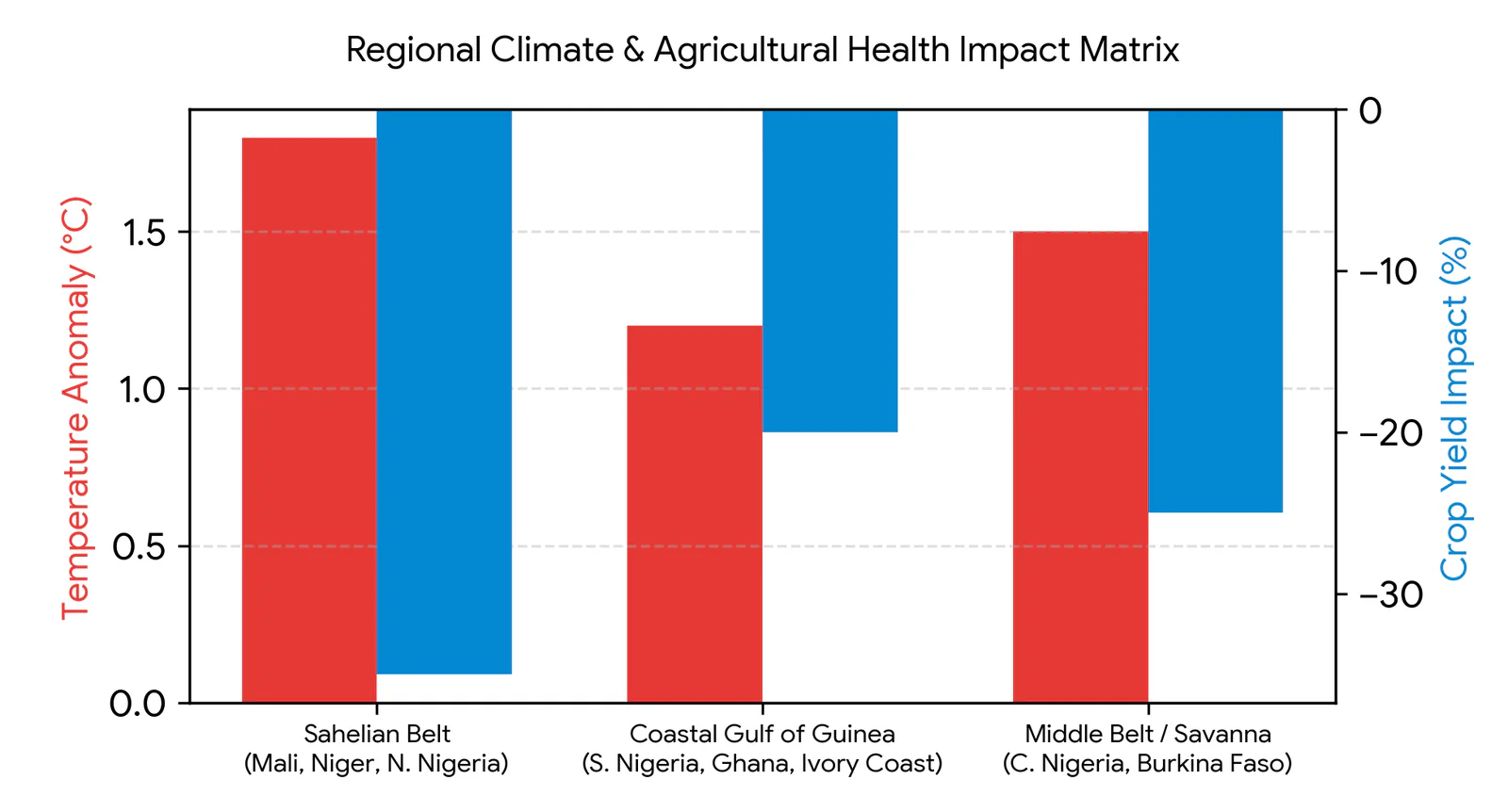
Figure 1: AfriMedLink Health & Climate Analysis — Temperature Anomalies vs. Agricultural Deficits
4. Practical Coping Strategies & Health Advisory for Families
Navigating an El Niño cycle requires proactive health and lifestyle modifications. AfriMedLink recommends the following practical measures for families and communities:
A. Heat Stress Mitigation & Hydration
- Targeted Hydration: Drink 3–4 liters of safe water daily, even before feeling thirsty. Avoid excess caffeine or sugary beverages which worsen dehydration.
- Cooling Protocols: Stay in ventilated, shaded spaces during peak thermal hours (11:00 AM – 4:00 PM). Use damp towels on skin for rapid cooling during extreme heat spells.
B. Water Safety & Infectious Disease Protection
- Rigorous Water Treatment: Boil or chlorinate all drinking water from unverified municipal or borehole sources to eliminate cholera and typhoid pathogens.
- Vaccination & Meningitis Vigilance: Ensure family members are up to date with the MenAfriVac or conjugate meningitis vaccines. Seek immediate medical attention if high fever, stiff neck, or severe headache occurs.
C. Digital Health Access via AfriMedLink
When extreme weather makes physical travel to healthcare centers difficult, leverage remote digital consultations at afrimedlink.com. Speak with certified clinical doctors online for early symptom evaluation, electronic prescription guidance, and laboratory test tracking from the comfort of your home.
References & Medical Sources
Economic Community of West African States (ECOWAS). (2026). Regional Warning on El Niño Threats to West Africa's Food Security and Health Infrastructure. ECOWAS Directorate of Human Development & Agriculture.
Food and Agriculture Organization (FAO). (2026). Agricultural Production Risks and Child Nutrition Impacts under Active El Niño Conditions. FAO Global Report on Food Crises.
HumAngle Media. (2026). El Niño Casts Hot Spells Across Nigerian Communities: Health & Climate Trends Analysis.
Nigerian Meteorological Agency (NiMet). (2026). Seasonal Rainfall Prediction (SRP) and Extreme Thermal Advisory. Federal Ministry of Aviation and Aerospace Development, Abuja, Nigeria.
WaterAid & University of Bristol. (2026). Super El Niño, Hydrological Stress, and Waterborne Disease Dynamics in West Africa.
World Health Organization (WHO) Africa. (2026). Public Health Preparedness for Climate Extremes and Meningitis Outbreaks in the Sahel and West Africa.
Sign in to react.
Speak with verified foreign doctors and other healthcare professionals — within minutes. Vetted professionals abroad, then a vetted partner hospital near you if you need more care.
Consult a doctor nowTake Control
of Your Health
Get access to qualified doctors, personalised health records, and expert care — all from your phone.