
Malaria in Nigeria: The Complete Guide to Prevention, Testing and Safe Treatment, State by State
Nigeria carries the world’s heaviest malaria burden: about 68.5 million cases and 184,800 deaths in 2024, with children under five hit hardest. This guide explains what causes malaria and busts common myths. It shows how risk varies across zones, seasons and all 36 states plus the FCT, from 49% of young children in Kebbi to 3% in Lagos. It covers early symptoms and danger signs, why only 1 in 4 feverish children is tested, and how to treat malaria safely with a full ACT course. It also looks at self-medication, fake drugs and resistance. Above all, it sets out how to prevent malaria: bed nets and how to care for them, mosquito-proofing your home, repellents, protection in pregnancy, seasonal medicines and vaccines for children, advice for travellers, and a family checklist.
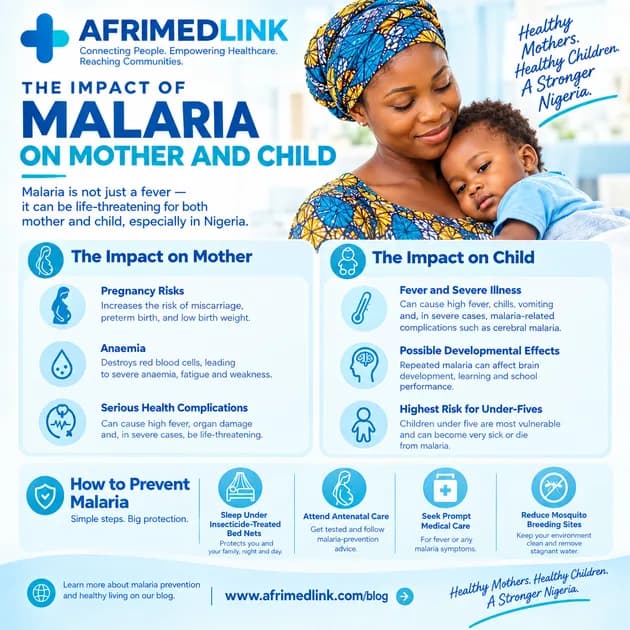
Almost every Nigerian has had malaria, or nursed someone through it. It is so familiar that many people treat it like a cold: a few tablets from the chemist and back to work. But malaria is still one of the biggest killers of children in Nigeria, and the country carries more of the world's malaria than any other. The good news is that malaria is preventable, testable and curable. This guide explains how malaria works, how it differs from Birnin Kebbi to Lagos, how to recognise it, how to test and treat it safely, and, above all, how your family can avoid it in the first place.

Figure 1. Malaria in Nigeria at a glance [3, 5, 6].
Why malaria still matters in Nigeria
No country carries more malaria than Nigeria. In 2024, the country recorded an estimated 68.5 million malaria cases, about 24.3% of all cases in the world, and roughly 184,800 malaria deaths, about 30.3% of the global total [2, 3]. Nigeria alone accounts for an estimated 38.6% of the world's malaria deaths in children under five [2]. Across Africa, about three in four malaria deaths are in children of that age [4].
Malaria is also a drain on families and the economy. Treating a single bout of complicated malaria has been estimated at around ₦20,000, and one study in Akwa Ibom found low-income households spending about 36% of their monthly income on malaria treatment, compared with about 1% for high-income households [23]. Every bout means lost school days, lost work and money spent on medicines that could have gone on food, rent or school fees.
At the national level, the 2021 Nigeria Malaria Indicator Survey found malaria parasites in 22% of children aged 6–59 months [5]. Nigeria's national malaria strategy aimed to bring this below 10% [15]. Reaching that goal depends as much on what happens in homes, schools and chemist shops as on what happens in hospitals.
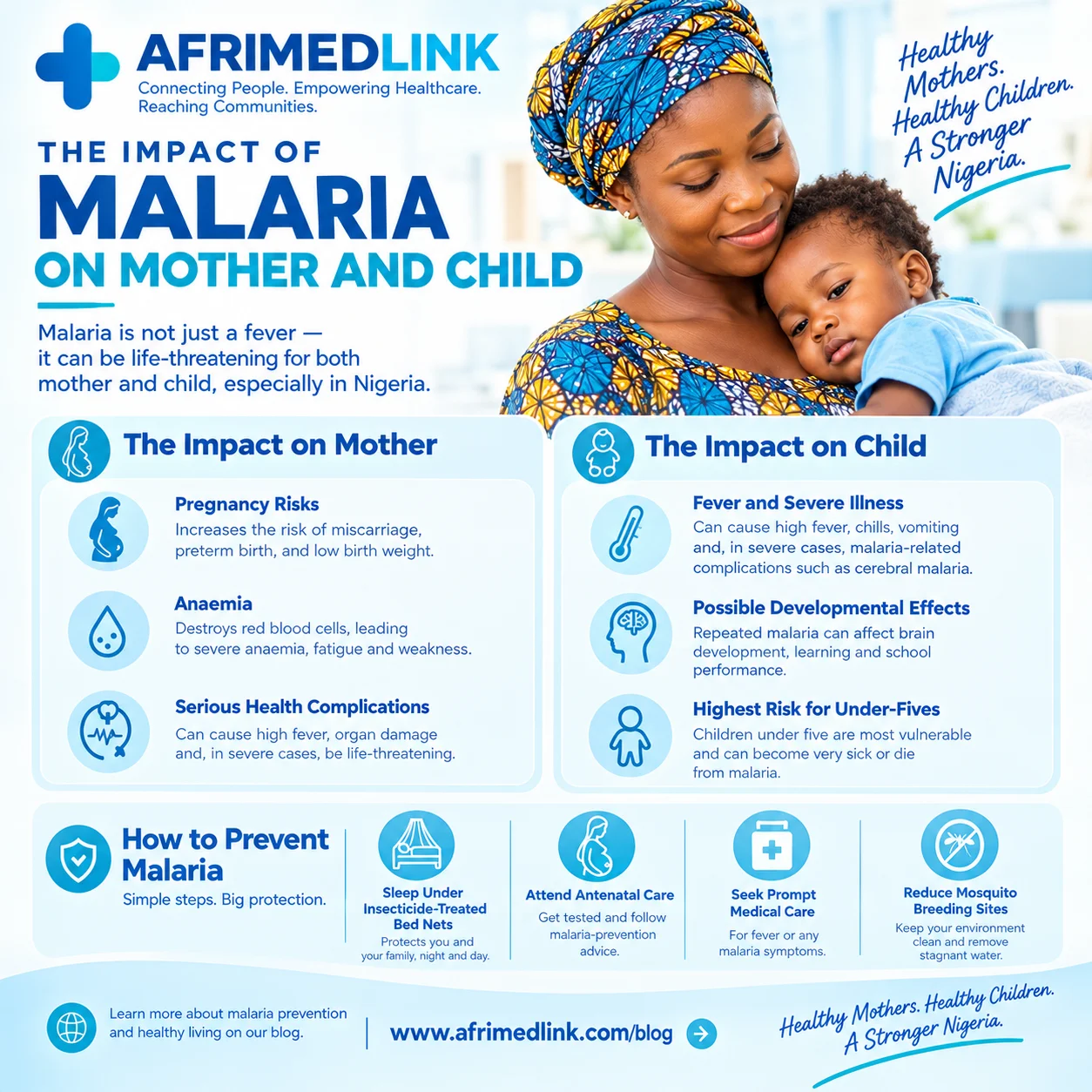
Understanding malaria: what really causes it
Malaria is caused by tiny parasites called Plasmodium. Five species infect humans, but in Nigeria almost all serious malaria is caused by Plasmodium falciparum, the deadliest species and the most common in Africa [1, 15]. You cannot catch malaria from the sun, food, stress or another person's touch. It spreads mainly through the bite of an infected female Anopheles mosquito; rarely, it can also pass through blood transfusions or shared needles [1].
In Nigeria, the main malaria mosquitoes belong to the Anopheles gambiae group, with Anopheles funestus important in some areas [15]. These mosquitoes mostly bite at night. In one study in Itu, Akwa Ibom, indoor biting peaked between 2 a.m. and 3 a.m., and outdoor biting between midnight and 1 a.m. [20]. This is exactly why sleeping under a treated net is so effective: it protects you during the hours when malaria mosquitoes are most active.

Figure 2. How malaria spreads from mosquito to person and back again [1].
After an infected bite, the parasites travel to the liver, multiply silently and then burst into the bloodstream, where they invade red blood cells. Symptoms usually appear 10–15 days after the bite [1]. When a mosquito bites an infected person, it picks up parasites and can pass them on to the next person. Breaking this cycle at any point, by avoiding bites, by treating confirmed cases quickly and completely, or by protecting the most vulnerable with medicines and vaccines, reduces malaria for the whole community.
Myths and facts about malaria
Misconceptions about malaria remain common. Nigeria's National Malaria Elimination Programme (NMEP) has publicly corrected beliefs that malaria is caused by walking in the sun, stress, witchcraft or eating too much red oil [21]. A 2025 survey of 4,000 people in Kano and Kaduna also recorded beliefs such as burning rags soaked in palm oil to drive malaria away [22]. Myths matter because they lead people to the wrong prevention and the wrong treatment.

Figure 3. Common malaria myths in Nigeria and the facts [1, 21, 22].
Who is most at risk?
Anyone living in or visiting Nigeria can get malaria, but some groups are far more likely to become seriously ill [1]:
- Babies and children under five have not yet built up partial immunity. Malaria can turn severe in hours.
- Pregnant women are more likely to get malaria and to develop severe disease. Malaria in pregnancy can cause severe anaemia, miscarriage, stillbirth, early delivery and low birth weight.
- Visitors and people returning home from abroad. Nigerians living in the UK, US or elsewhere lose their partial immunity over time. Between 2000 and 2012, Nigeria was the source of 45% of imported malaria cases among London residents, more than half of them in people visiting friends and relatives, and about 80% of cases were in people who had not taken preventive tablets [17].
- People living with HIV and others with weakened immunity [1]. People with sickle cell disease are also especially vulnerable and should discuss malaria protection with their doctor.
- Rural and low-income households, who often live further from clinics, have less money for nets and tests, and are more likely to delay care.
Malaria across Nigeria's zones and seasons
Malaria is not the same everywhere in Nigeria. Rainfall, temperature, vegetation, housing and access to health care all shape how much malaria a community has and when.
Seasons: the north peaks, the south never fully rests
In the far north, the rainy season is short, so malaria transmission is concentrated into a few months, usually around the middle and end of the rains. In the south, rainfall lasts up to nine months and transmission happens all year round [15]. The Middle Belt sits in between. Knowing your local season tells you when to be most careful, but it does not mean you can relax in the 'quiet' months, especially in the south.

Figure 4. A simplified picture of when malaria peaks in different parts of Nigeria [15].
Zone by zone

Figure 5. Share of children aged 6–59 months who tested positive for malaria, by zone [6].
The North-West is the hardest-hit zone, with 30% of young children testing positive in 2021. The other five zones ranged from 16% to 20% [6]. To protect children in the high-transmission months, 21 states have local government areas eligible for seasonal malaria chemoprevention (SMC), almost all of them in the north [15], and about 28.6 million children were reported to be reached per monthly cycle in 2024 [14].
Malaria state by state
The state picture is even more striking. Rates among young children range from 49% in Kebbi to 3% in Lagos, a sixteen-fold difference [6].

Figure 6. Children aged 6–59 months who tested positive for malaria in every state and the FCT [6].
North-West: Kebbi, Zamfara and Sokoto lead the country
Kebbi (49%), Zamfara (37%) and Sokoto (36%) have the highest rates in Nigeria, followed by Katsina (29%), Kano (26%) and Jigawa (25%). Kaduna (16%) is the zone's lowest [6]. Long distances to clinics, large rural populations and intense rainy-season transmission mean that in these states a fever in a child should be treated as urgent and tested the same day. The North-West also has among the highest bed-net use in the country, showing what is possible when nets are distributed and used [6].
North-East: Bauchi high, Borno low
Bauchi (32%) is the highest in the zone, followed by Yobe (21%), Gombe and Taraba (18% each) and Adamawa (11%). Borno (6%) had one of the lowest rates in the country [6], although insecurity in parts of the state makes health services harder to reach. The North-East had the lowest coverage of preventive treatment in pregnancy of any zone (27%) [6], so antenatal care is a particular priority here. Bauchi is also one of the four states now offering the malaria vaccine [13].
North-Central: Niger highest, Kwara lowest
Niger (21%) leads, with the FCT and Plateau (19% each), Benue (18%), Kogi (16%) and Nasarawa (15%) close behind. Kwara (6%) is among the lowest in Nigeria [6]. Mosquitoes in parts of this zone, including Plateau, Benue and Nasarawa, show resistance to some common insecticides, which is why newer types of nets are being introduced [15].
South-West: Ondo and Ogun high, Lagos lowest in Nigeria
Ondo (27%) and Ogun (25%) are well above the national average, followed by Oyo and Ekiti (21% each) and Osun (19%). Lagos (3%) has the lowest rate in the country [6]. That matters: in Lagos, most fevers in children are likely to be something other than malaria, so taking antimalarials without a test is especially likely to miss the real cause. Ondo is now one of the four vaccine states [13].
South-East: Ebonyi and Enugu stand out
Ebonyi (26%) and Enugu (24%) have the zone's highest rates, while Imo (16%) and Abia (15%) are lower. Anambra (5%) is one of the lowest in Nigeria [6]. The South-East had the best coverage of preventive treatment in pregnancy (41%) but one of the lowest rates of bed-net use (21%) [6].
South-South: Akwa Ibom and Cross River highest
Akwa Ibom (30%) has the highest rate in southern Nigeria, followed by Cross River (24%) and Edo (23%). Bayelsa (17%), Delta (10%) and Rivers (9%) are lower [6]. The South-South had the lowest bed-net use of any zone, at 19% [6], even though transmission here continues year-round. Bayelsa was one of the first two states to introduce the malaria vaccine [12].
Recognising malaria
Early symptoms
Malaria usually begins with fever, chills and headache [1]. Many people also have body and joint aches, tiredness, loss of appetite, nausea, vomiting or diarrhoea. These symptoms can be mild and look exactly like many other illnesses, including typhoid, flu, COVID-19, urinary infections, dengue and Lassa fever. That is why symptoms alone are never enough to diagnose malaria.
In children
Young children may not complain of a headache. Instead, they may be unusually hot, irritable or sleepy, refuse to feed, vomit, or have a fast breathing rate. Because malaria can become severe very quickly in children under five, any fever in a young child should be tested the same day.
In pregnancy
Pregnant women may have fewer symptoms because of partial immunity, yet the infection can still damage the placenta and the baby. Any fever in pregnancy should be checked promptly, and pregnant women should not take any antimalarial without advice from a health worker, because some medicines are not safe in early pregnancy.
Danger signs: when to go to hospital immediately
Severe malaria is a medical emergency. Signs include extreme tiredness, confusion or reduced consciousness, repeated convulsions, difficulty breathing, dark or bloody urine, yellow eyes (jaundice) and abnormal bleeding [1].

Figure 7. Danger signs that need emergency hospital care [1].
If you see any of these signs, do not wait to finish tablets at home. Go straight to the nearest hospital. Severe malaria is treated with injectable medicines, and in remote areas trained health workers may give a child a rectal artesunate dose before transferring them to hospital.
Testing: the most important step most people skip
WHO recommends that every suspected case of malaria be confirmed with a parasite test, either a rapid diagnostic test (RDT) or microscopy, before treatment [1]. Yet in Nigeria, families sought advice or treatment for 63% of young children with a recent fever, and only 24% of those children had blood taken for a malaria test [5].

Figure 8. What happens when a child under five has a fever in Nigeria [5].
The state data show why this matters. In Kebbi, about half of young children may be carrying malaria; in Lagos, Anambra, Borno or Kwara, the great majority are not [6]. A fever there is far more likely to be typhoid, a chest or urinary infection, or a virus. Treating it as malaria wastes money and delays the right care. When the fever does not go away, many people conclude the first drug "was not strong enough" and switch to a different antimalarial, instead of asking whether it was malaria at all.
How a malaria test works
An RDT needs only a finger-prick of blood and gives a result in about 15–20 minutes. Many primary health centres, pharmacies, private clinics and some patent medicine shops offer them. Microscopy, done in a laboratory, can also show how many parasites are present. A word of caution on the popular "malaria and typhoid" combined diagnosis: a properly done malaria test is reliable, but quick typhoid tests such as the Widal test are often inaccurate, so ask a health worker to explain your results.

Figure 9. The test-before-you-treat pathway [1].
Safe and effective treatment
If a test confirms malaria, the recommended treatment for uncomplicated P. falciparum malaria is an artemisinin-based combination therapy (ACT) [1]. Common ACTs in Nigeria include artemether-lumefantrine, artesunate-amodiaquine and dihydroartemisinin-piperaquine [7]. To get the full benefit:
- Take the full course, usually three days, even if you feel better after the first day. Stopping early leaves parasites alive.
- Follow the dose for your weight or age. Children's doses depend on body weight; never give a child half an adult tablet by guesswork.
- Take artemether-lumefantrine with food or milk, which helps the body absorb the medicine.
- Never share a course with another family member or keep "leftover" tablets for next time.
- Return for review if you are not improving within two to three days, or if you develop any danger signs.
Medicines such as chloroquine and sulfadoxine-pyrimethamine (SP) should not be used to treat malaria in Nigeria. Chloroquine no longer works against most falciparum malaria here and is prescription-only, and SP is meant for prevention in pregnancy and in children, not for treating illness [10]. No herbal mixture or agbo has been proven to cure malaria.
The problem of antimalarial misuse
Self-medication: evidence from Enugu, Ekiti and Lagos
Patent medicine vendors and pharmacies are often the first and only stop for a fever. In Enugu, 46.5% of 1,321 antimalarial sales in medicine shops were for self-treatment, and self-medication accounted for 82% of single-drug (monotherapy) sales [7]. In Ekiti, a 2023 survey of 602 young people aged 16–24 found 31.7% self-medicated, and antimalarials were the most common drugs they used, at 44% of self-medicated medicines [8]. In Lagos, an investigation found chemists recommending chloroquine and SP for malaria and selling them over the counter [10].

Figure 10. How antimalarials are bought and used: studies from Enugu and Ekiti [7–9].
Not every pill is what it claims to be
In a study of 3,024 artemisinin-based antimalarials from 421 outlets in Enugu, 9.3% were of poor quality: 6.8% substandard, 1.3% degraded and 1.2% falsified, with problems found more often in patent medicine shops than in public facilities [9]. A weak or fake pill does not cure malaria, but it does expose parasites to small amounts of drug, which is exactly how resistance develops. Buy from licensed pharmacies and health facilities, check for a NAFDAC registration number and intact packaging, and be wary of ACTs that are much cheaper than usual.
The threat on the horizon: drug and insecticide resistance
Artemisinin drugs are the backbone of malaria treatment. Partial resistance to them is now confirmed in Eritrea, Rwanda, Uganda and Tanzania, and suspected in several other African countries [1]. In Uganda, parasites carrying a resistance marker rose from about 1% of samples in 2013 to about 26% in 2022 [11]. In Nigeria, these markers have so far been found only at very low frequencies [11]. Untested treatment, incomplete courses, monotherapy and poor-quality drugs are exactly the conditions in which resistance spreads.

Figure 11. Artemisinin-resistance markers in East Africa compared with Nigeria [11].
Mosquitoes are adapting too. Resistance to pyrethroids, the insecticides used on most bed nets, has been found across many Nigerian states, including every local government area tested in Akwa Ibom, Bauchi, Bayelsa, Ebonyi and Plateau [15]. In response, Nigeria has begun distributing newer nets, such as PBO and dual-active-ingredient nets, that work better against resistant mosquitoes [15]. Nets still protect you physically even where mosquitoes are resistant, so keep using them.
Prevention: how to protect yourself and your family
Prevention is cheaper, safer and more effective than treatment. No single measure is perfect, so the best protection comes from combining several. Here is what works.
1. Sleep under an insecticide-treated net every night
Insecticide-treated nets (ITNs) are the single most important malaria-prevention tool for households. They block mosquitoes and kill or repel them on contact. Yet in 2021 only 41% of children under five and 50% of pregnant women slept under one [5], and coverage was much lower in the south than the north [6].

Figure 12. Bed-net use and preventive treatment in pregnancy by zone [6].
To get the most from your net [16]:

Figure 13. How to use and care for your treated net [16].
- Air a new net outside in the shade for a day before first use.
- Hang it over the bed or sleeping mat and tuck the edges under the mattress so there are no gaps.
- Use it every night, all year, and for daytime naps, especially for children under five and pregnant women.
- Wash it gently and only when necessary, as washing removes insecticide; dry it in the shade, not in direct sun.
- Sew up or patch holes promptly, and replace the net about every three years, or sooner if badly damaged.
- Free nets are distributed through mass campaigns, antenatal clinics and immunisation visits. Ask at your nearest primary health centre.
2. Make your home and surroundings mosquito-unfriendly
Anopheles mosquitoes lay their eggs in clean, standing water, from puddles and blocked gutters to old tyres, buckets and water-storage containers.
- Empty, scrub or cover water containers, drums and tanks at least once a week.
- Remove or turn over old tyres, tins, bottles and broken pots that collect rainwater.
- Clear blocked drains and gutters, and fill in puddles and potholes around the compound.
- Fit mesh screens on windows, doors and eaves, and keep doors and windows closed from dusk.
- Work with neighbours. Mosquitoes travel, so a clean compound next to a neglected one still gets bites. Community sanitation days and street-level clean-ups help everyone.
Indoor residual spraying (IRS), where the inside walls of homes are sprayed with long-lasting insecticide, is used in some countries but has not been widely implemented in Nigeria [15]. Household insecticide sprays and coils can reduce bites, but use them carefully: keep coils and sprays away from babies, ventilate rooms, and never rely on them in place of a net.
3. Protect your skin in the evening
- Wear long sleeves and long trousers outdoors after dusk, particularly when sitting outside, at evening events or travelling.
- Apply an insect repellent containing an ingredient such as DEET, picaridin or IR3535 to exposed skin, following the label, especially for children.
- Remember that malaria mosquitoes bite through the night [20], so protection matters most from evening until morning.
4. Protect pregnant women with IPTp
Intermittent preventive treatment in pregnancy (IPTp) with sulfadoxine-pyrimethamine protects both mother and baby. WHO recommends starting as early as possible in the second trimester, giving a dose at each scheduled antenatal visit with doses at least one month apart, and receiving at least three doses [18]. WHO now recommends eight antenatal contacts during pregnancy [18]. In 2021 only 31% of Nigerian women received three or more doses, ranging from 27% in the North-East to 41% in the South-East [5, 6]. Pregnant women living with HIV who take co-trimoxazole should follow their clinic's advice, as they may not need SP.
5. Seasonal malaria chemoprevention for young children
In states with a short, intense malaria season, children aged 3–59 months are given a monthly preventive medicine, sulfadoxine-pyrimethamine plus amodiaquine (SPAQ), usually for four months during the rainy season [19]. Community health workers go house to house to give the first dose; parents give the remaining doses at home on the following two days. Make sure your child receives every dose of every cycle, and still sleeps under a net.
6. Vaccinate eligible children
Nigeria introduced the R21/Matrix-M malaria vaccine in Kebbi and Bayelsa in December 2024. It is given as four doses, the first at about 5 months of age, with the next two at four-week intervals and the fourth at least six months after the first [12]. The programme has since expanded to Ondo and Bauchi, with more than 1 million children vaccinated by April 2026 [13]. WHO recommends both the R21 and RTS,S vaccines for children in areas with moderate to high malaria transmission [1]. The vaccine reduces malaria but does not stop it completely, so vaccinated children still need nets and prompt testing.
7. Travellers and people returning home
If you live abroad or in a low-malaria setting and are visiting Nigeria, your partial immunity has faded and you are at real risk. See a doctor or travel clinic several weeks before travel. Some preventive tablets need to be started two to three weeks before departure, and all must be continued for the full time advised after you leave, typically up to four weeks [1]. Use a net and repellent during your stay, and if you develop a fever up to a year after returning, tell your doctor you have been to Nigeria.
8. Schools, workplaces and communities
- Schools can teach malaria prevention, clear standing water on school grounds and encourage parents to test feverish children rather than send them to class with "malaria drugs".
- Employers can provide nets, allow staff time off to get tested and treated, and support community clean-ups.
- Religious and traditional leaders can correct myths and encourage participation in net campaigns, SMC rounds and vaccination.
- Pharmacists and patent medicine vendors can offer RDTs and sell ACTs only after a positive test.
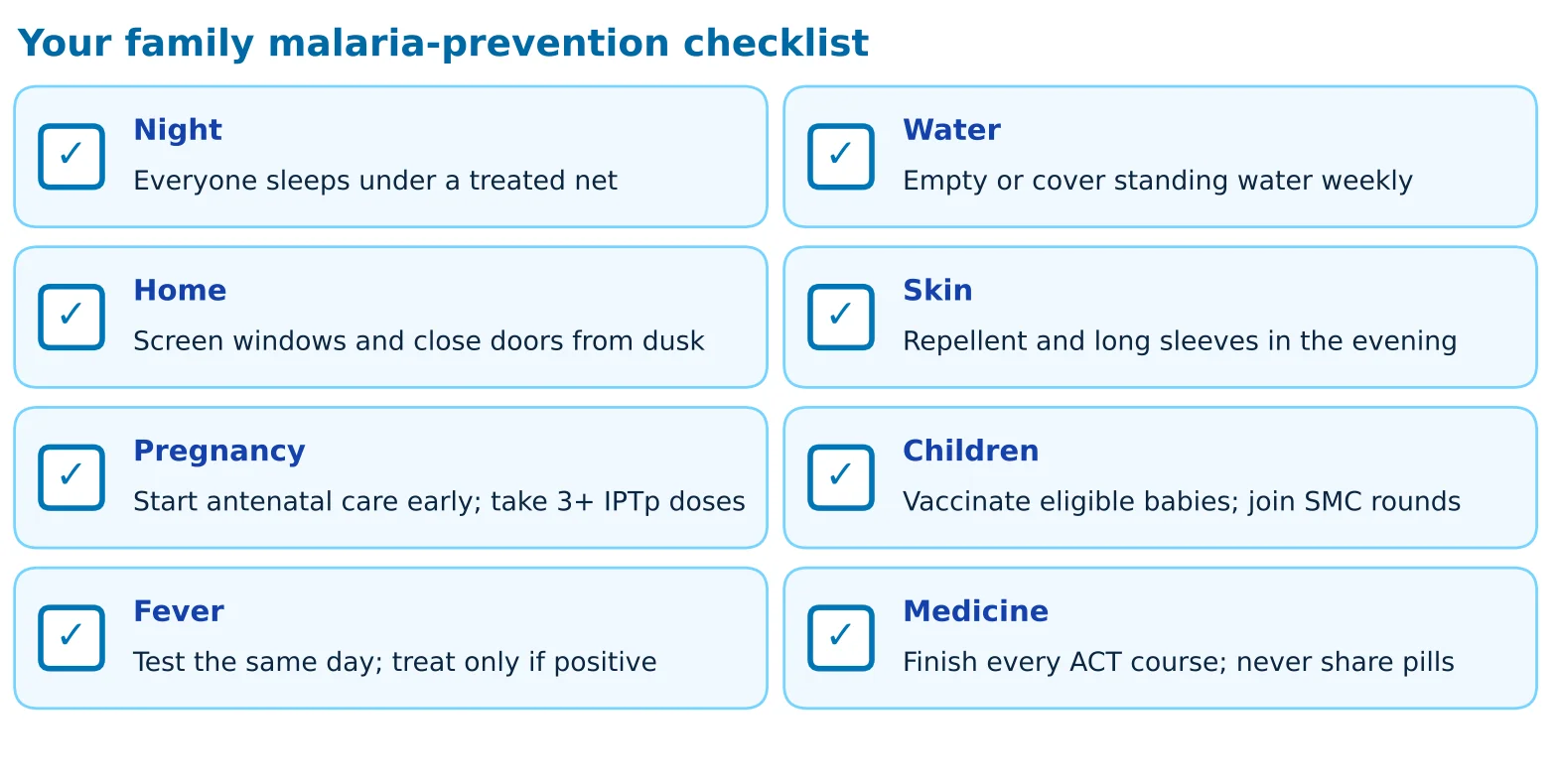
Figure 14. A simple malaria-prevention checklist for every household.
What needs to change
Malaria control has to match local reality. High-burden northern states such as Kebbi, Zamfara, Sokoto and Bauchi need more community-level testing, reliable ACT supplies, full SMC coverage and continued vaccine expansion. Southern states, where transmission runs all year, need far more people sleeping under nets and testing built into pharmacies and patent medicine shops, where most fevers are first treated. Everywhere, regulators can enforce restrictions on chloroquine and monotherapy and remove substandard products [9, 10], and health workers can make testing routine for every fever. Families can make one simple change: ask for a test before buying a single tablet.
If you cannot easily reach a clinic, you can speak with a qualified doctor online through Afrimedlink within minutes, get advice on testing and treatment, and be referred to a vetted partner hospital if you need further care.
Frequently asked questions
Can I get malaria more than once?
Yes. Having malaria does not give lasting protection. People in high-transmission areas can be infected many times, and partial immunity fades if you are not regularly exposed.
Is it safe to take antimalarials "just in case"?
- Taking antimalarials without a positive test wastes money, can cause side effects, may hide the real cause of your illness and contributes to drug resistance. Test first.
How soon after a mosquito bite does malaria start?
Usually 10–15 days after an infected bite [1]. Travellers can develop malaria weeks or occasionally months after returning, so always mention recent travel to your doctor.
Do I still need a net if my child has been vaccinated or received SMC?
Yes. Vaccines and SMC reduce malaria but do not remove the risk completely. Nets, prompt testing and treatment are still essential.
My test was negative but I still feel ill. What now?
A negative test usually means your illness is caused by something else. Go back to a health worker so they can look for other causes, such as typhoid, a urinary or chest infection, or a viral illness.
Can I treat malaria with agbo or herbal mixtures?
No herbal mixture has been proven to cure malaria, and relying on one can let malaria become severe. Use a recommended ACT after a positive test.
| Key takeaways - Nigeria has the world's highest malaria burden: about 68.5 million cases and 184,800 deaths in 2024 [2, 3].- Malaria is caused by a parasite spread by night-biting Anopheles mosquitoes, not by the sun, food or stress [1, 21].- Malaria in young children ranges from 49% in Kebbi to 3% in Lagos; the North-West is the hardest-hit zone [6].- Only about 1 in 4 feverish young children is tested; always test before you treat and finish the full ACT course [5].- Combine prevention: nets every night, no standing water, repellents, IPTp in pregnancy, SMC and vaccines for children.- Go to hospital immediately for any danger signs, especially in children and pregnant women. |
This article is for general information and does not replace advice from a qualified health professional. State figures come from the 2021 national survey and may have changed since. If you or your child has a fever, please get tested at a health facility, and seek emergency care for any danger signs.
References
- World Health Organization. Malaria fact sheet (World Malaria Report 2025 data). https://www.who.int/news-room/fact-sheets/detail/malaria
- Severe Malaria Observatory. Malaria in Nigeria: statistics and facts (WHO World Malaria Report 2024 and 2025 data). https://www.severemalaria.org/countries/nigeria
- Media Talk Africa. Nigeria tops global malaria record, per 2025 WHO report. https://mediatalkafrica.com/245961/nigeria-tops-global-malaria-record-per-2025-who-report/
- International Centre for Investigative Reporting (ICIR). Nigeria leads as global malaria deaths rise to 610,000. https://www.icirnigeria.org/?p=275865
- National Malaria Elimination Programme (NMEP), National Population Commission (NPC) and ICF. Nigeria Malaria Indicator Survey 2021: Fact Sheet. Abuja and Rockville, MD; 2022. https://www.dhsprogram.com/pubs/pdf/MF33/MF33.pdf
- NMEP, NPC and ICF. 2021 Nigeria Malaria Indicator Survey: zonal fact sheets (North West, North East, North Central, South West, South East, South South). 2022. https://dhsprogram.com/pubs/pdf/MF34/MF34_NorthWest.pdf
- Ezenduka CC, Ogbonna BO, Ekwunife OI, Okonta MJ, Esimone CO. Drugs use pattern for uncomplicated malaria in medicine retail outlets in Enugu urban, southeast Nigeria: implications for malaria treatment policy. Malar J. 2014;13:243. https://link.springer.com/article/10.1186/1475-2875-13-243
- Agbesanwa TA, Aina FO, Solomon OA, Ibrahim AO, Babatola OA, Owoyemi JA, et al. Self-medication among young people in suburban Ekiti, Nigeria: prevalence, practice, determinants and adverse effects. SAGE Open Med. 2024;12. doi:10.1177/20503121241261002. https://doaj.org/article/88ad3ee58a974dfd8fd4e8d7a393edaf
- Kaur H, Allan EL, Mamadu I, Hall Z, Ibe O, El Sherbiny M, et al. Quality of artemisinin-based combination formulations for malaria treatment: prevalence and risk factors for poor quality medicines in public facilities and private sector drug outlets in Enugu, Nigeria. PLoS One. 2015. (Summary: ACT Consortium.) https://actconsortium.mesamalaria.org/news.php/117/study-in-nigeria-finds-1-in-10-malaria-drugs-are-poor-quality.html
- Ekeanyanwu O. Despite restriction on antimalarial resistant drugs – they are still used to treat malaria. TheCable; 2017. https://www.thecable.ng/?p=171543
- Understanding the global rise of artemisinin resistance: insights from over 100,000 Plasmodium falciparum samples. eLife. 2025;14:e105544. https://pmc.ncbi.nlm.nih.gov/articles/PMC12490857
- Gavi, the Vaccine Alliance. Nigeria's first malaria vaccine roll-out is greeted by an expectant population. VaccinesWork; 2025. https://www.gavi.org/vaccineswork/nigerias-first-malaria-vaccine-roll-out-is-greeted-by-an-expectant-population
- Radio Nigeria. Over 1 million Nigerian children vaccinated against malaria as NPHCDA expands programme to four states. April 2026. https://radionigerialagos.gov.ng/?p=40281
- ThisDay. FG to give 28.6m children malaria chemo-prevention treatment. December 2024. https://thisdaylive.com/index.php/2024/12/17/fg-to-give-28-6m-children-malaria-chemo-preventiontreatment
- U.S. President's Malaria Initiative. Nigeria Malaria Operational Plan FY 2023. https://files.givewell.org/files/DWDA%202009/Malaria%20Consortium/US_Presidents_Malaria_Initiative_Nigeria_Malaria_Operational_Plan_FY_2023.pdf
- International Federation of Red Cross and Red Crescent Societies (IFRC). Epidemic control toolkit: insecticide-treated nets. https://epidemics.ifrc.org/pdf/180
- UK Government (Public Health England). Half of UK's imported malaria cases in London residents. Press release. https://www.gov.uk/government/news/half-of-uks-imported-malaria-cases-in-london-residents
- Malaria Matters. Malaria excerpts from WHO's new antenatal care recommendations. https://malariamatters.org/malaria-excerpts-from-whos-new-antenatal-care-recommendations/
- The Guardian Nigeria. WHO supports Adamawa and Yobe States to administer malaria drugs to over 1.9 million children. 2021. https://guardian.ng/?p=1577142
- Biting rhythms of malaria vector in the urban area of Itu, Akwa Ibom State, Nigeria. Entomological Society of Nigeria journal. https://esnjournal.com.ng/?p=3081
- The Guardian Nigeria. NMEP debunks common malaria myths. April 2025. https://guardian.ng/features/nmep-debunks-common-malaria-myths/
- NOI Polls. Misconceptions, community perceptions and the fight against malaria in Nigeria. 2025. https://www.noi-polls.com/post/misconceptions-community-perceptions-and-the-fight-against-malaria-in-nigeria
- The Guardian Nigeria. International Day: Nigerians spend N2.04 trillion yearly on malaria prevention, treatment. April 2023. https://guardian.ng/news/international-day-nigerians-spend-n2-04-trillion-yearly-on-malaria-prevention-treatment/
Sign in to react.
Speak with verified foreign doctors and other healthcare professionals — within minutes. Vetted professionals abroad, then a vetted partner hospital near you if you need more care.
Consult a doctor nowTake Control
of Your Health
Get access to qualified doctors, personalised health records, and expert care — all from your phone.